
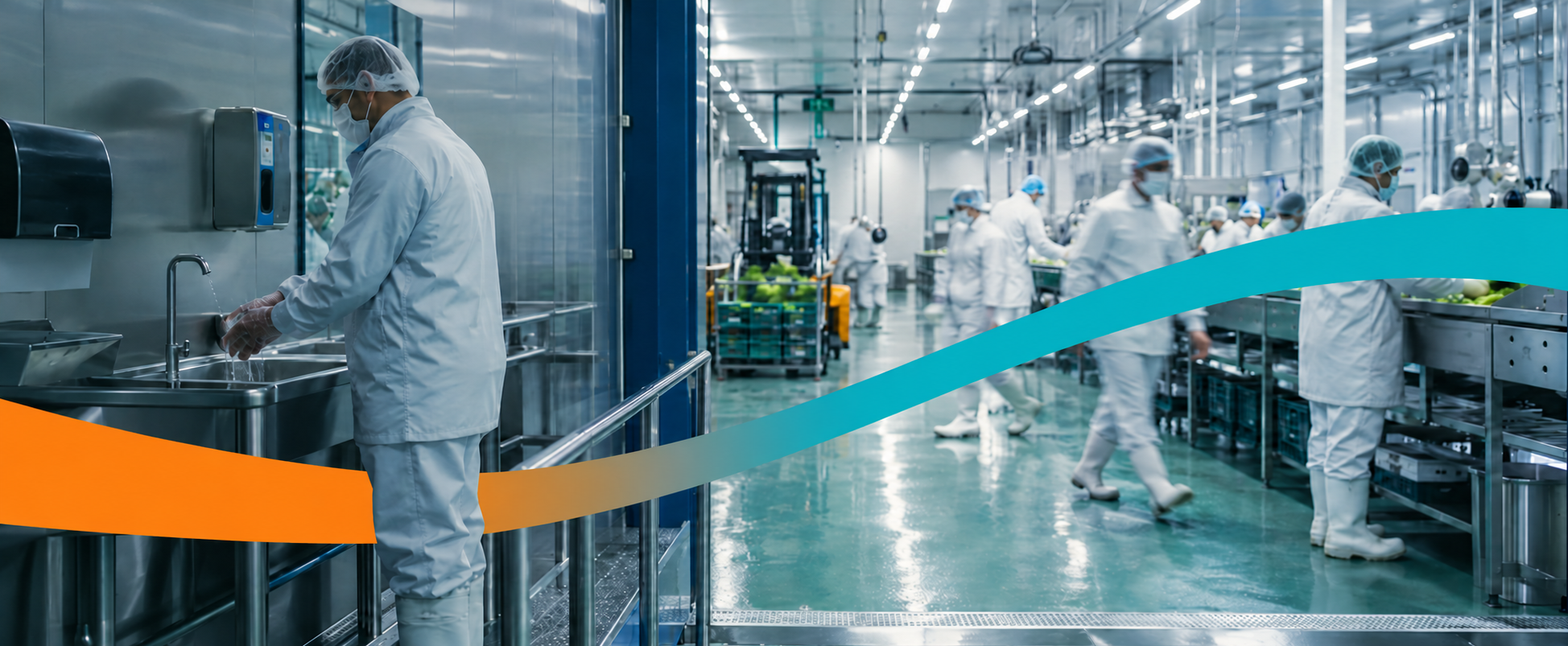
High-Traffic Industrial Environments: How to Strengthen Sanitary Barriers
High-Traffic Industrial Environments: How to Strengthen Sanitary Barriers Table of Contents Busy Environments Demand Constant Attention People Are Also Part of Microbiological Control Equipment Can Also Spread Contaminants Sanitary Barriers Go Beyond Footbaths Frequency Matters Too How ECA Technology Can Help Technology Complements a Strong Safety Culture Busy Environments Demand

On-Site Sanitizer Generation: More Predictability for Dairy Plants
On-Site Sanitizer Generation: More Predictability for Dairy Plants Table of Contents Introduction Why Is Predictability So Important in the Dairy Industry? The Challenge of Depending on Conventional Sanitizers The Hidden Cost of Unplanned Stoppages How Does On-Site Sanitizer Generation Work? More Predictability for CIP Cycles Microbiological Safety Remains the Priority
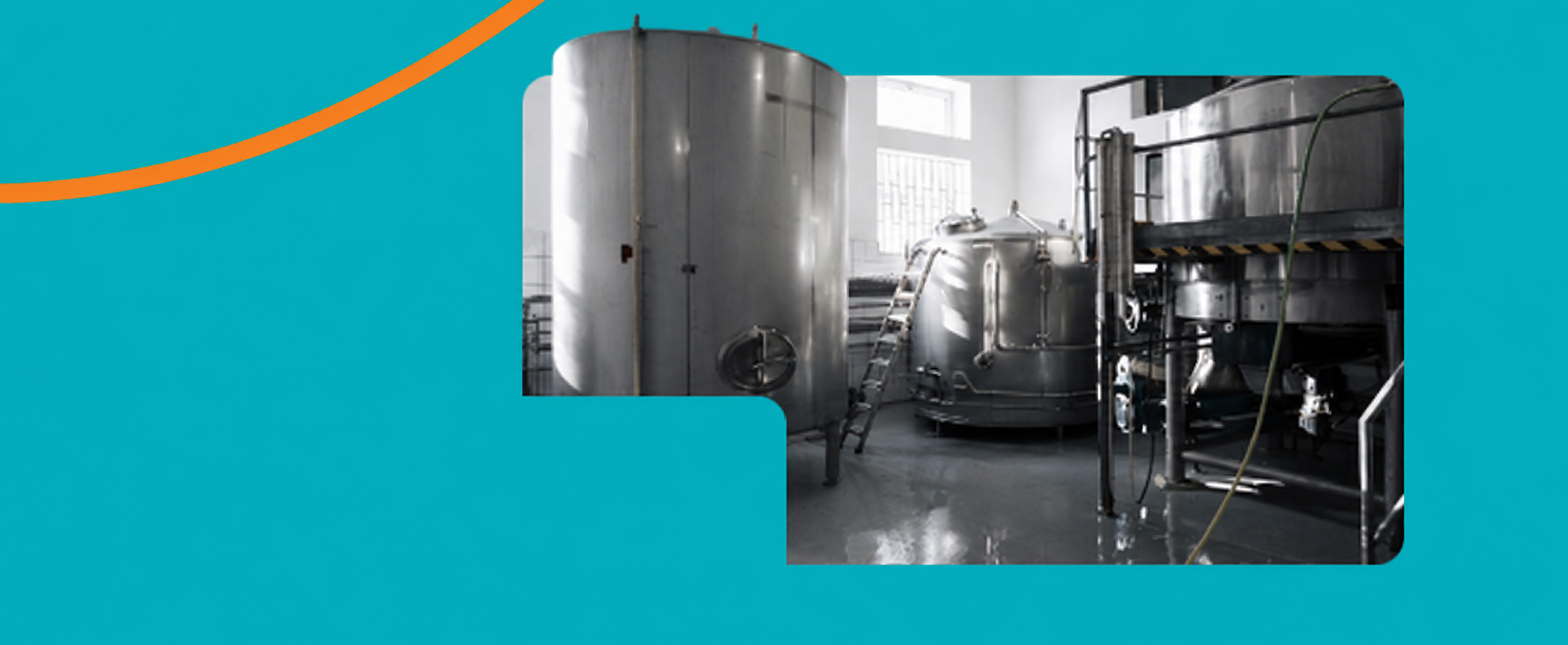
Cleaning Fermentation Tanks: Common Mistakes That Affect Quality
Cleaning Fermentation Tanks: Common Mistakes That Affect Quality Table of Contents Introduction Why Fermenter Cleaning Is So Critical Mistake 1: Relying Only on How Clean It Looks Mistake 2: Underestimating Biofilm Formation Mistake 3: Using CIP Parameters Without Periodic Validation Mistake 4: Neglecting Critical Points in the Tank The Direct

How ECA Systems Can Optimize CIP Cycles
How ECA Systems Can Optimize CIP Cycles Table of Contents Introduction The Operational Weight of Additional Rinses The Problem with Aggressive Chemicals How ECA Helps Optimize CIP Sanitation Is Also Operational Efficiency Conclusion Introduction In the food and beverage industry, cleaning processes directly affect productivity, resource use, and operating cost.
Sanitation as a Strategic Investment: How to Turn Operational Efficiency into Margin Gains
Sanitation as a Strategic Investment: How to Turn Operational Efficiency into Margin Gains Table of Contents Introduction The Hidden Cost of Poorly Planned Sanitation Operational Efficiency Also Starts with Cleaning Efficient Sanitation Protects Margin The Role of Technology in This Shift From Cost Center to Performance Lever Conclusion Introduction For

Water Management in Industry: How Sanitation Affects Total Water Consumption
Water Management in Industry: How Sanitation Affects Total Water Consumption Table of Contents Introduction Why Sanitation Weighs So Heavily on Water Consumption The Invisible Impact: Water, Energy, and Effluent Where the Main Waste Occurs How to Make Sanitation More Water-Efficient The Role of Technology in Reducing Consumption Water Management as
