
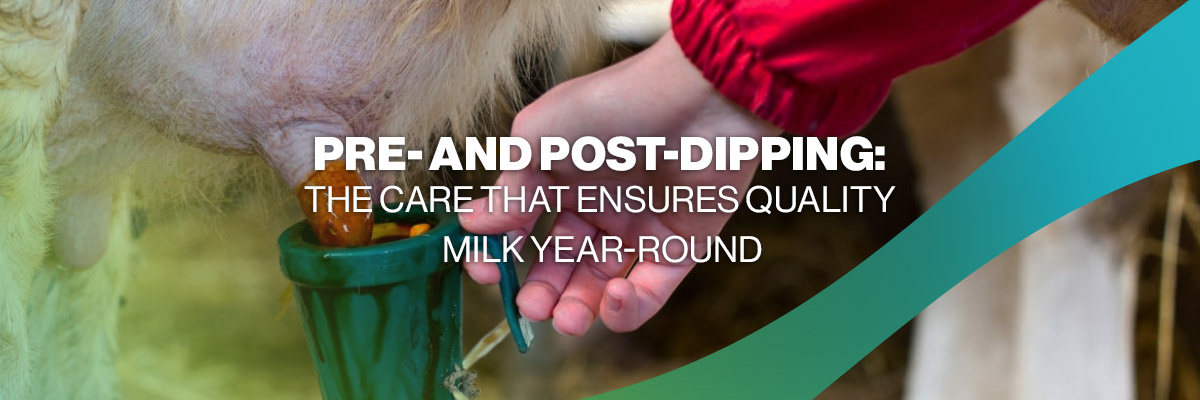
Pre- and Post-Dipping: The Care That Ensures Quality Milk Year-Round
Pre- and Post-Dipping: The Care That Ensures Quality Milk Year-Round Table of Contents Introduction What Pre-Dipping Is and How It Protects Milk The Importance of Post-Dipping for Biosecurity How to Maintain Pre- and Post-Dipping Efficiency Across the Seasons Technologies That Strengthen Pre- and Post-Dipping Direct Benefits for Milk Quality Introduction
Poultry Litter: What Microbiological Accumulation Reveals About Barn Biosecurity
Poultry Litter: What Microbiological Accumulation Reveals About Barn Biosecurity Table of Contents Introduction Why Poultry Litter Favors Microbiological Accumulation What Microbial Accumulation Reveals About Biosecurity Strategies to Control Microbiological Accumulation in Poultry Litter Use of Modern Environmental Disinfection Solutions Benefits of Efficient Microbiological Control of Litter Conclusion Introduction Poultry litter
Contaminated Water and Microbiological Risks
Contaminated Water and Microbiological Risks Table of Contents How Water Becomes a Source of Microbiological Contamination Main Microbiological Risks Associated with Contaminated Water Impact of Contaminated Water on Industrial Cleaning and Sanitation Strategies to Reduce Microbiological Risks Associated with Water Why Water Control Is Decisive for Sanitary Safety How Water

Biofilms and Sanitation Failures
Biofilms and Sanitation Failures Table of Contents Introduction What Biofilms Are and Why They Compromise Sanitation How Sanitation Failures Favor Biofilm Formation Impacts of Biofilms on Safety and Operational Efficiency Modern Strategies to Prevent Sanitation Failures Caused by Biofilms Introduction Sanitation failures are rarely the result of an isolated mistake.
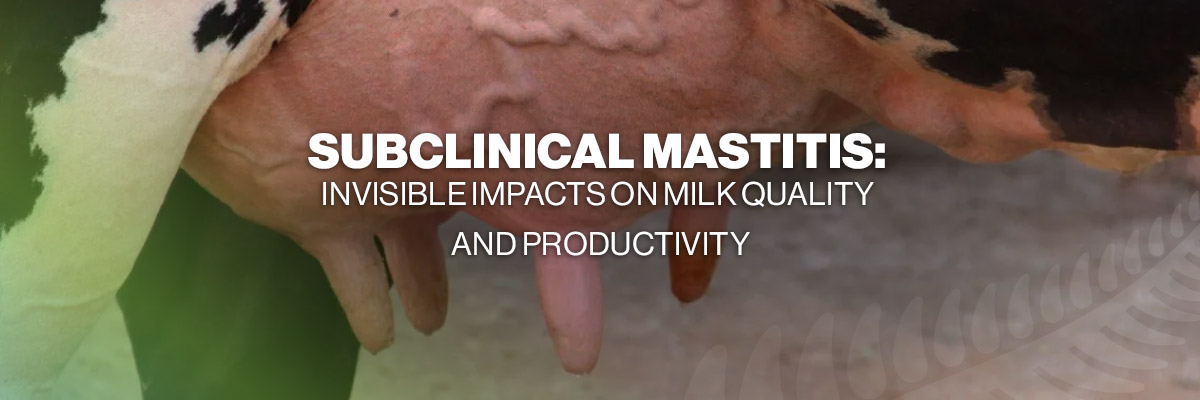
Subclinical Mastitis: Invisible Impacts on Milk Quality and Productivity
Subclinical Mastitis: Invisible Impacts on Milk Quality and Productivity Table of Contents What Is Subclinical Mastitis Why Subclinical Mastitis Compromises Milk Quality Factors That Favor Subclinical Mastitis The Role of Cleaning and Sanitation in Controlling Subclinical Mastitis Why Control Must Be Continuous Subclinical mastitis is one of the greatest health
Non-Toxic Products in the Food Industry: Why Chemical Safety Has Become a Strategic Issue
Non-Toxic Products in the Food Industry: Why Chemical Safety Has Become a Strategic Issue Table of Contents Introduction The Invisible Problem of Traditional Chemicals Chemical Safety as Part of Food Safety Direct Impact on Operations and People Reputation, Compliance, and Market Pressure From Operational Requirement to Strategic Decision Conclusion Introduction
